Application Fee
$205 AUD
2026 Batches now open — ACCA · CPA Australia · IFRS · CMA USA. Limited seats per batch. Book a Free Demo Session →

Take control of your career with CPA Australia! Gain global recognition, master advanced financial skills, and join a network of elite professionals shaping the future of business. Start your journey today and unlock a world of opportunities.
The CPA (Certified Practising Accountant) designation, awarded by CPA Australia, is one of the world’s most respected credentials in finance and accounting. With 174,000+ members working across 100+ countries, CPA Australia is not simply a technical accounting qualification – it is a designation that signals strategic business leadership. CPA members hold CFO, Finance Director, and regional business leadership roles at the world’s most respected organisations.
In today’s dynamic world, staying ahead requires upgraded skills that prepare the next generation for an ever-expanding range of successful and fulfilling careers.
Whether you’re a fresh graduate or already working, CPA Australia gives you the flexibility to decide when to start your qualification - right after graduation
CPA Australia has over 450 Recognised Employer Partners across 100+ countries, but it also offers mutual recognition in several nations so you can seamlessly migrate, work, and grow in the industry.
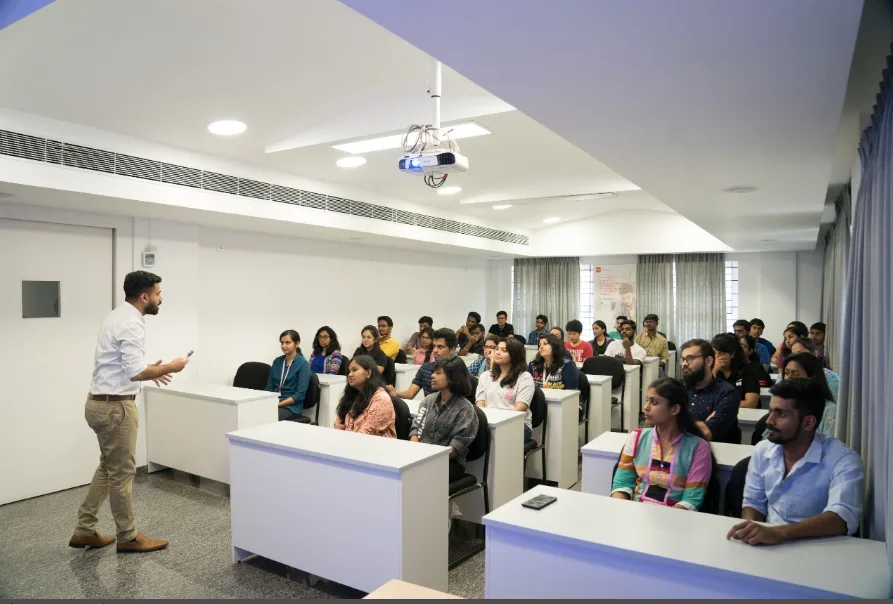
Learn with experienced finance professionals through flexible, live online classes, personalised mentoring, and exam-focused guidance.
Eligible full-tuition learners can repeat coaching without an additional tuition charge after full payment, 95% attendance, three evaluated full mock exams with feedback, and proof of booking the next exam sitting. Recordings-only plans are excluded; an upgrade requires payment of the fee difference. There is no fixed attempt limit while eligibility is maintained. Missed sittings and syllabus changes require management review. Professional-body exam, renewal and third-party book fees remain payable. For CPA Australia, repeat support includes only repeat tuition and recordings. Access ends at the next exam session date, or the booked exam date where proof has been submitted.

GLOBALFTI is India's First CPA Australia Registered Tuition Provider - a status listed on CPA Australia's official website. Under India, one provider is listed.

All classes are delivered online with direct access to faculty throughout the programme. Live sessions, recorded lectures, and LMS access ensure no session is ever missed .

Global Strategy and Leadership, the capstone subject, uses a case study format that is materially different from Indian CA examination. Many technically strong CAs underestimate this transition.

GLOBALFTI has been operating since 2007. The organisation has trained 50,000+ students across all courses. The institutional knowledge of how Indian professionals prepare for exam is embedded in every session.

Learn from accomplished finance and accounting professionals who combine strong academic credentials with extensive industry expertise.
At GLOBALFTI, we believe that success in the CPA Australia qualification requires more than completing the course syllabus. It requires a strong conceptual foundation, consistent preparation, expert guidance, and the confidence to apply accounting and finance knowledge in real-world professional situations. Our learning approach brings together expert faculty, structured learning, personalized mentoring, and exam-focused training to support students throughout their CPA Australia journey.
Our experienced faculty simplify complex concepts and provide practical insights that help students develop a deeper understanding of accounting, finance, business strategy, and professional practice.
Ethics and Governance develops the professional judgement needed to handle ethical issues and understand how organisations are governed. It explores the accountant’s responsibilities, regulatory requirements, stakeholder expectations and corporate accountability.
Topics covered
Financial Reporting builds the skills to apply International Financial Reporting Standards (IFRS) and prepare general-purpose financial statements. It focuses on interpreting reporting requirements, applying professional judgement and communicating reliable financial information to stakeholders.
Topics covered
Strategic Management Accounting shows how accountants use financial and operational information to support business strategy. You will study decision-making, planning, project and performance management, and tools that help organisations create and manage value.
Topics covered
Global Strategy and Leadership is the capstone subject of the CPA Program. It brings together ethics, financial reporting and strategic management accounting to help you analyse business environments, develop strategies and lead their implementation.
Topics covered
The Advanced Audit and Assurance subject develops your understanding of audit and assurance engagements, including audit planning, execution, reporting, professional ethics, fraud assessment, and audit evidence evaluation. It introduces international auditing standards, quality management requirements, and contemporary developments in assurance services.
Through practical case studies, you will learn how auditors apply professional judgement, manage risk, and deliver high-quality assurance engagements in both private and public sector environments.
Learning Outcomes
Upon completion, you will be able to:
Exam Structure
Subject Modules
Module Weighting: Each module carries 20% of the exam and recommended study time.
The Contemporary Business Issues subject explores the challenges and opportunities shaping today’s business and accounting environment. It helps develop a future-focused mindset by examining emerging global trends, technological change, sustainability, stakeholder management, and the evolving role of accountants as strategic business advisors.
This elective subject prepares professionals to adapt to change, think critically, uphold ethical standards, and contribute to effective business decision-making.
Learning Outcomes:
Upon completion, you will be able to:
Exam Structure:
Subject Modules
Module Weighting: Modules carry between 15% and 25% of the exam and recommended study time.
The Financial Risk Management subject equips professionals with the skills to identify, assess, and manage financial risks in a dynamic business environment. It covers funding, liquidity, credit, market, operational, and climate-related risks, along with the use of financial instruments and derivatives to support effective risk management.
This elective subject helps develop practical knowledge of risk assessment, investment evaluation, and financial decision-making.
Learning Outcomes
Upon completion, you will be able to:
Exam Structure
Subject Modules
Module Weighting: Modules carry between 10% and 14% of the exam and recommended study time.
The Digital Finance subject helps accounting and finance professionals understand and navigate the rapidly evolving world of digital technologies. It covers emerging trends such as artificial intelligence (AI), machine learning, robotic process automation (RPA), digital payments, digital currencies, big data, and data analytics.
Students gain practical insights into how technology is transforming finance, while also exploring governance, risk management, and regulatory considerations.
Learning Outcomes:
Upon completion, you will be able to:
Exam Structure:
Subject Modules
Module Weighting: Modules carry between 15% and 25% of the exam and recommended study time.
CPA Australia candidates can choose two elective subjects based on their career goals and prior academic qualifications.
Available Electives Include:
These electives allow you to specialise in areas such as audit, taxation, financial management, digital finance, and business advisory while aligning your studies with your professional career objectives.
Learn your way with expert-led live online classes, unlimited access to recorded sessions, and a flexible study schedule designed for working professionals. Stay on track with structured learning, wherever and whenever it suits you.
Interactive live sessions with real-time doubt resolution and exam-focused teaching designed to help you understand concepts, apply them confidently, and stay on track for success. Learn directly from experienced industry professionals.
Study at your own pace without putting your career on hold. Whether you’re travelling, managing project deadlines, or navigating busy work periods, every class is recorded and uploaded to the LMS within 24 hours for convenient access anytime.
Eligible full-tuition learners can repeat coaching without an additional tuition charge after full payment, 95% attendance, three evaluated full mock exams with feedback, and proof of booking the next exam sitting. Recordings-only plans are excluded; an upgrade requires payment of the fee difference. There is no fixed attempt limit while eligibility is maintained. Missed sittings and syllabus changes require management review. Professional-body exam, renewal and third-party book fees remain payable. For CPA Australia, repeat support includes only repeat tuition and recordings. Access ends at the next exam session date, or the booked exam date where proof has been submitted.
CPA Australia body fees: 2026 global schedule, checked 8 October 2026. Membership category, region, enrolment timing and applicable concessions affect payable fees. Not every listed charge applies to every candidate. Check the current official fee schedule.
GLOBALFTI tuition (including 18% GST): Foundation ₹23,600 per paper; Foundation package ₹94,400; CPA Program ₹29,500 per subject; CPA Program package ₹1,77,000; MRA/GSL ₹29,500. A 30% offer is available for eligible package deals. Ask for a written quote confirming package coverage and whether the quoted amount already includes the offer; do not deduct it again automatically. CPA Australia fees are separate.
At GLOBALFTI, our faculty brings together academic excellence and real-world industry expertise to deliver career-focused learning. Guided by experienced professionals, students gain practical insights, global exposure, and mentorship that prepares them for success in today’s competitive world.

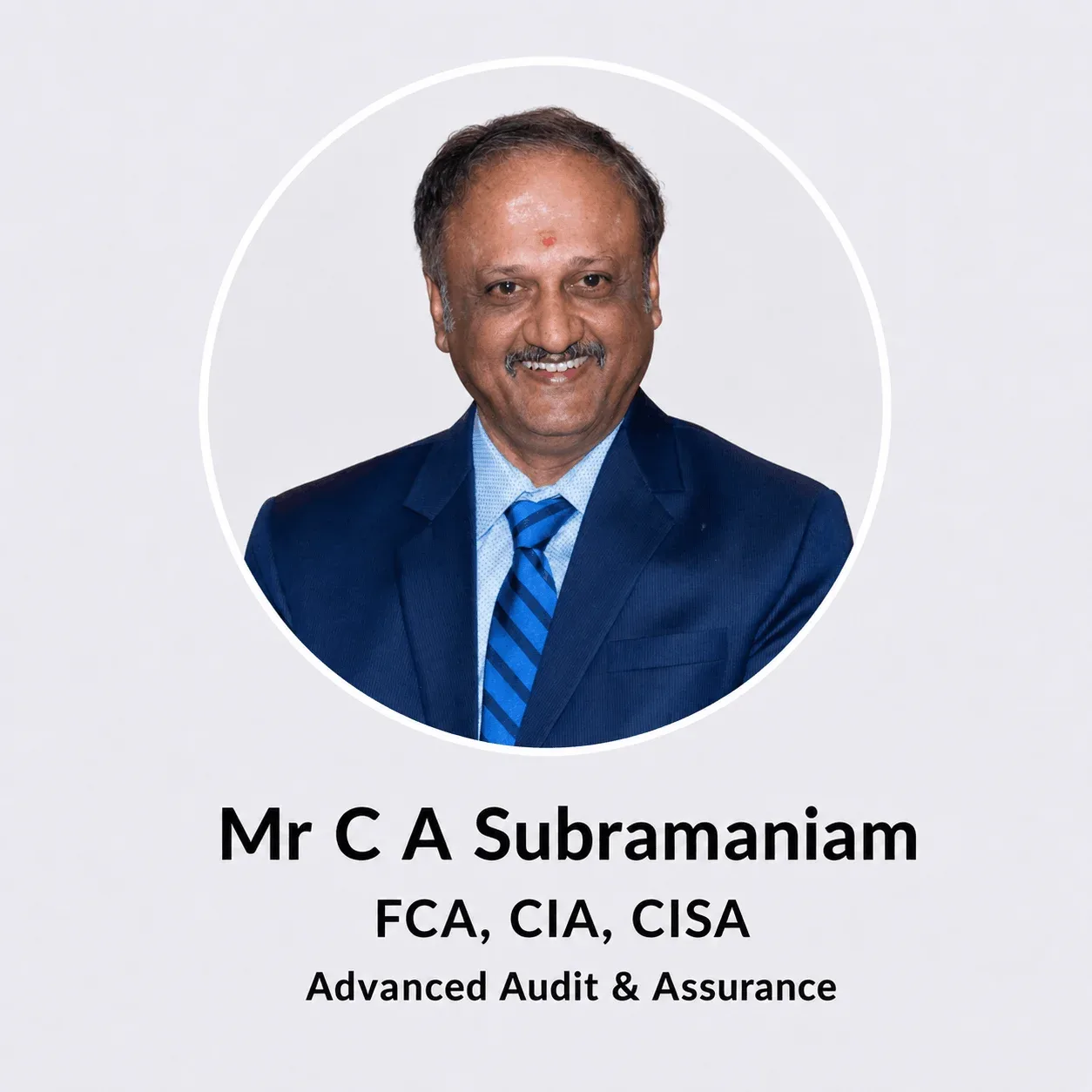

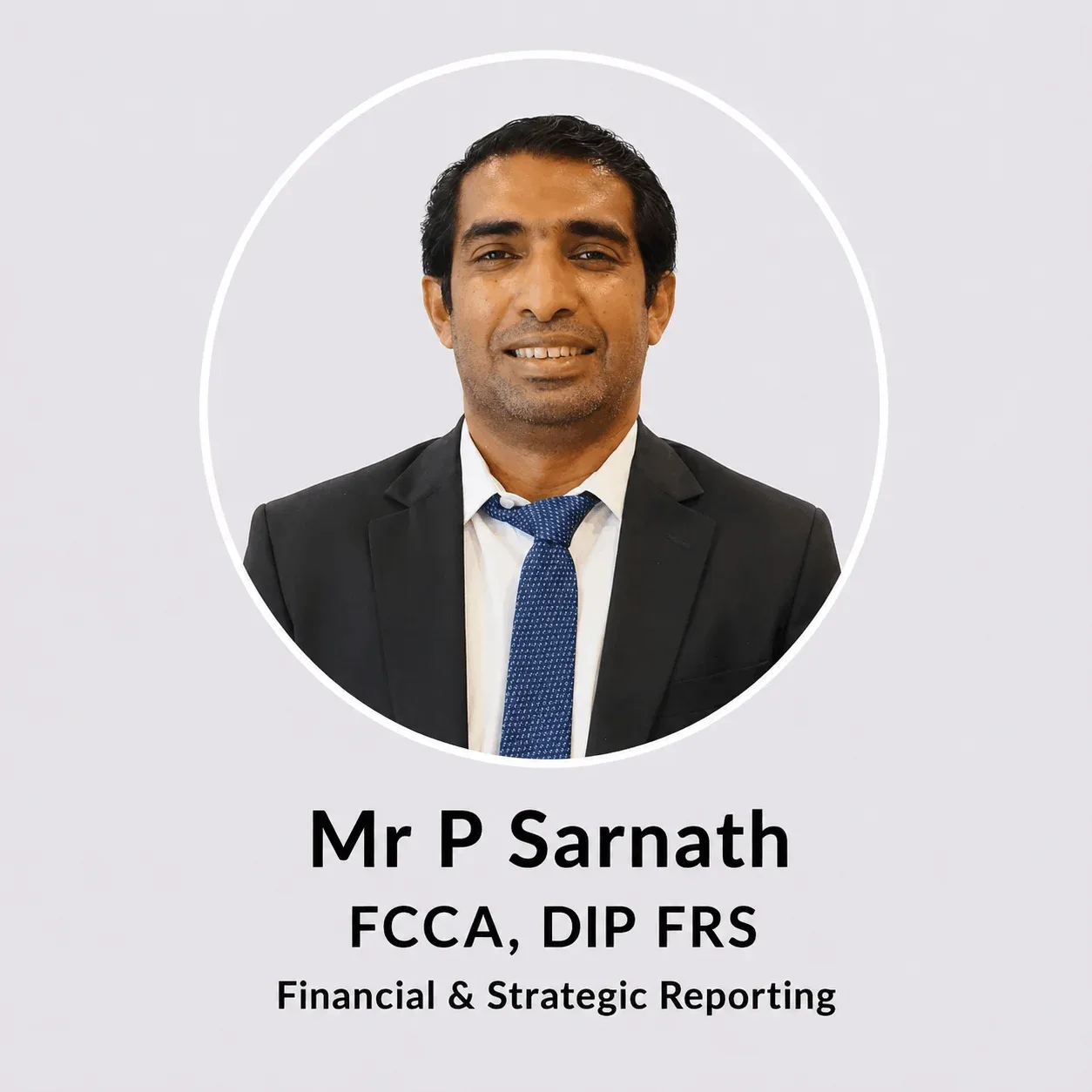



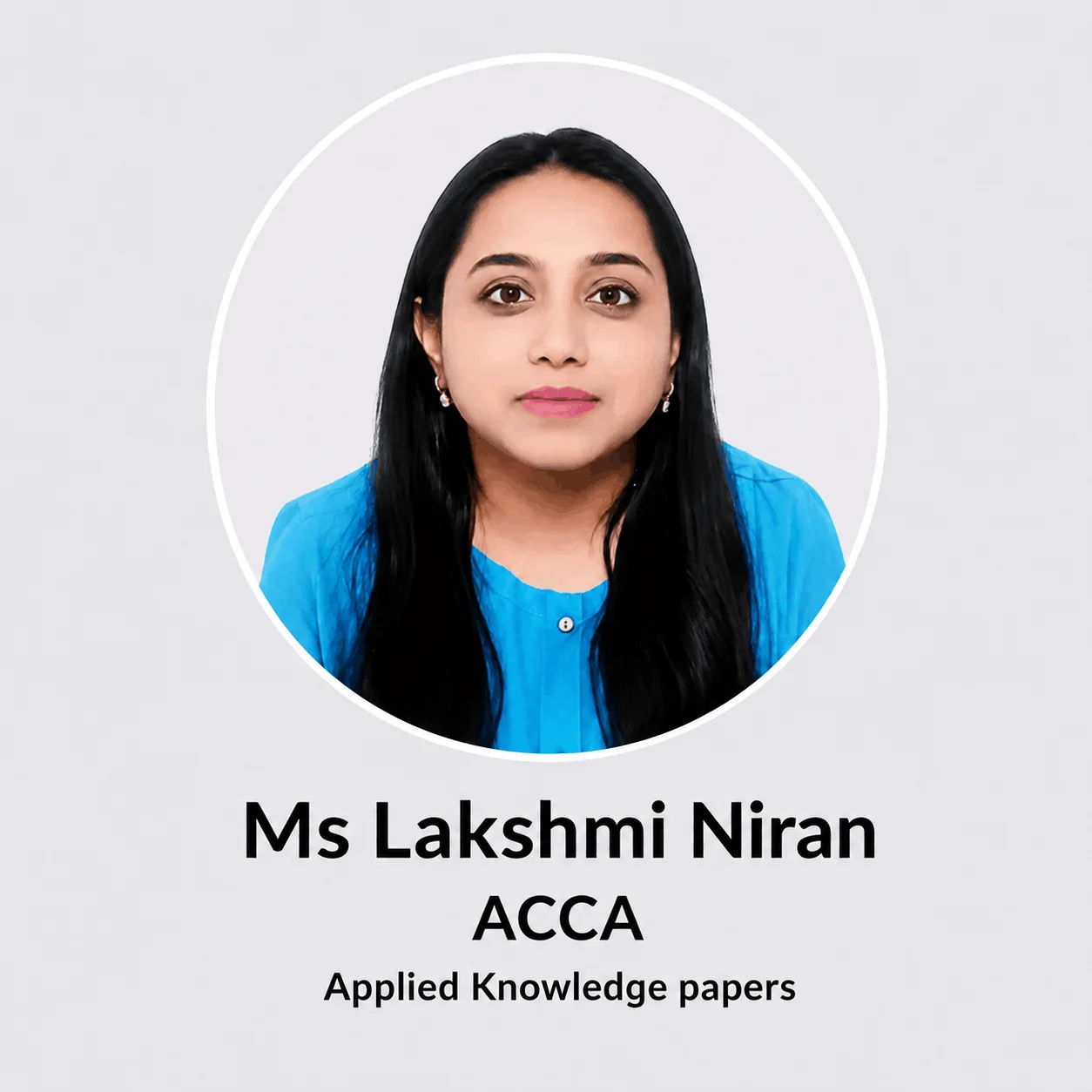
A CPA Australia qualification opens doors across a wide range of industries, equipping professionals with expertise in finance, accounting, auditing, taxation, risk management, and business strategy.
Browse our FAQs for detailed information on programme structure, certifications, assessments, and global career pathways.
CPA Australia is one of the world’s largest professional accounting bodies, with 174,000+ members in 100+ countries. The CPA designation is awarded to finance and accounting professionals who complete the CPA Program — six subjects covering financial reporting, strategic management accounting, ethics, governance, and global business strategy — and satisfy the Practical Experience Requirement. In India, CPA Australia is most relevant to three audiences: working finance professionals targeting senior and leadership roles in Asia-Pacific or Gulf markets; qualified Indian CAs seeking global recognition via the ICAI MRA pathway; and BCom or MBA graduates with a specific international career destination. It is primarily a working professional qualification, not an entry-level programme.
The CPA Program has six subjects: four compulsory — Ethics and Governance, Financial Reporting, Strategic Management Accounting, and Global Strategy and Leadership — and two electives chosen from six options. CPA Australia’s published exam windows are 5–20 October 2026 and 12–27 April 2027. Dates are subject to change and appointment availability varies by location. Most candidates complete the programme in 2–3 years sitting one to two subjects per semester. For Indian CAs using the ICAI MRA pathway, only one subject — Global Strategy and Leadership — is required, plus one self-paced online module.
The ICAI Mutual Recognition Agreement (MRA) with CPA Australia allows qualified Indian Chartered Accountants to become full CPA Australia members by completing just two requirements: the Global Strategy and Leadership subject (one exam) and the Better Practice in Governance and Accountability online module (self-paced multiple-choice assessment). Your existing ICAI CA qualification satisfies all other CPA Program requirements. Both items must be completed within two years of joining CPA Australia. Eligibility requires a current ICAI CA membership and either a degree equivalent to an Australian bachelor’s degree or five or more years of relevant professional experience. GLOBALFTI’s GSL coaching is specifically designed for ICAI members navigating this route.
Your budget has two separate components: CPA Australia body fees and GLOBALFTI tuition. Body fees depend on your membership category, subjects, entry pathway and enrolment timing; check CPA Australia’s current schedule before paying.
Management-confirmed GLOBALFTI tuition, including 18% GST: Foundation ₹23,600 per paper; Foundation package ₹94,400; CPA Program ₹29,500 per subject; CPA Program package ₹1,77,000; MRA/GSL coaching ₹29,500.
A 30% package-deal offer is available to eligible package buyers. Obtain a written quote confirming the package scope and final payable amount; do not assume a further 30% reduction from the listed package prices. CPA Australia application, membership, examination and other body fees are separate.
Yes — the programme is specifically designed for working professionals. CPA Australia’s published exam windows are 5–20 October 2026 and 12–27 April 2027. Dates are subject to change and appointment availability varies by location. You choose when to sit and which subjects to attempt each semester. GLOBALFTI delivers all classes online with recorded sessions on the LMS — study around your work schedule, travel, and peak periods. Most working professionals complete the programme in 2–3 years sitting one to two subjects per semester.
The programme can be completed in as little as two years sitting three subjects per year. Most professionals complete it in 2–3 years at one to two subjects per semester. For Indian CAs using the ICAI MRA pathway, completion time is one semester — approximately 12–16 weeks of active study for Global Strategy and Leadership, plus 2–4 weeks for the Better Practice module. The full MRA pathway must be completed within two years of joining CPA Australia.
CPA Australia members hold finance leadership roles across 100+ countries. In India, CPA-qualified professionals typically earn ₹10–30 LPA at mid-senior levels. In Australia, average CPA salaries range from AUD 68,000 to AUD 130,000+. In the Gulf, finance leadership packages typically range from AED 120,000 to AED 240,000+. CPA Australia’s 450+ Recognised Employer Partners include the Big 4, major MNCs, government bodies, and financial institutions across Asia-Pacific, the Gulf, and beyond. The designation carries particular strength for roles in Australia, Singapore, New Zealand, Hong Kong, and Gulf finance markets.
GLOBALFTI is listed by CPA Australia as India’s Registered Tuition Provider on the official CPA Australia Professional Tuition page. GLOBALFTI is listed as the provider offering tuition for all four compulsory CPA Program subjects. This status means GLOBALFTI’s coaching is officially aligned to the current CPA Australia examination materials and our students receive access to CPA Australia’s approved study resources. Our faculty holds CA (ICAI), CPA Australia, and CISA designations.